

Last Updated: November 28, 2026
Quick Summary
Anxiety therapy length depends on the person and the type of anxiety, and a practitioner can give a more specific estimate after an initial assessment. Short-term therapy is common, and many clinicians plan a set number of sessions and review progress as they go. Longer support may be needed for more complex or long-standing anxiety.
- Assessment usually takes one to two sessions to learn your symptoms, history, triggers and goals.
- Skill building, roughly sessions 4 to 10, is usually the longest phase and where weekly attendance matters most.
- Weekly sessions are typical during active treatment, with fortnightly and monthly sessions used later.
- Skipping practice between sessions can slow progress, so ask your therapist what to practise.
- Gaps between sessions or reduced frequency for cost reasons can add elapsed time to the whole course.
Table of Contents
- How Long Anxiety Therapy Usually Takes
- What to Expect in Anxiety Therapy, Phase by Phase
- How Long CBT Takes for Anxiety
- How Often Should You Go to Therapy for Anxiety?
- Factors That Change How Long Treatment Takes
- Signs Therapy Is Working for Anxiety
- Booking Your Free Consultation to Plan Your Timeline
- Frequently Asked Questions
How Long Anxiety Therapy Usually Takes
The length of anxiety therapy depends on the person and the type of anxiety they have, and your practitioner can give a more specific estimate after an initial assessment. Many people find that the first few sessions focus on understanding the problem, while later sessions focus on building skills.
Short-term therapy is common for anxiety. Many clinicians plan a set number of sessions and review progress as they go. Longer support may be needed for more complex or long-standing anxiety, and some people choose ongoing care to stay well.
Our approach is client-centred and individualised, which means the pace reflects your needs. Australian Psychological Society guidance on psychological therapy
Anxiety treatment works differently for each person. Asking your practitioner about expected timelines early on can help you plan with confidence.
anxiety treatment is available to people across a range of anxiety levels, from mild to more severe.
What to Expect in Anxiety Therapy, Phase by Phase
Therapy usually moves through a few clear phases. Knowing them ahead of time can make the process feel less uncertain, and it helps you judge whether the pace is on track. Find out what happens in early sessions in our guide to preparing for a first psychotherapy session. Most practitioners review progress at the end of each phase rather than waiting until the end of treatment.
- Assessment (usually 1 to 2 sessions): Your therapist learns about your symptoms, history, triggers and goals.
- Building understanding (roughly sessions 2 to 4): You explore how anxious thoughts, physical sensations, avoidance and safety behaviours link together. For panic, this may include explaining the fight-or-flight response; for social anxiety, the role of self-focused attention; for generalised anxiety, the function of worry itself.
- Skill building (roughly sessions 4 to 10): You practise coping strategies in and between sessions, cognitive restructuring, graded exposure, interoceptive exposure for panic, or behavioural experiments. This is usually the longest phase and the one where weekly attendance matters most.
- Consolidation (roughly sessions 10 to 16): You apply skills to real situations with less therapist scaffolding, and progress is reviewed against the baseline measures taken at assessment. Exposure tasks typically move from easier to harder items on a hierarchy you build together.
- Maintenance (variable): Sessions become less frequent, often fortnightly then monthly, as you feel more in control. Some people finish with a written relapse-prevention plan rather than continuing sessions.
Ask early what review points your practitioner uses, so the timeline is clear.
Watch out: Skipping homework or practice between sessions can slow progress, so ask your therapist what to practise and how to record it.
Each phase builds on the last.
The table below summarises the typical phases of anxiety therapy and the approximate session ranges the article gives for each.
| Phase | What happens | Approximate sessions |
|---|---|---|
| Assessment | Therapist learns about symptoms, history, triggers and goals | 1 to 2 |
| Building understanding | Explore how thoughts, sensations and avoidance link together | Roughly 2 to 4 |
| Skill building | Practise coping strategies in and between sessions | Roughly 4 to 10 |
| Consolidation | Apply skills to real situations with less scaffolding | Roughly 10 to 16 |
| Maintenance | Sessions become less frequent, often fortnightly then monthly | Variable |
Approximate sessions
How Long CBT Takes for Anxiety
Cognitive behavioural therapy (CBT) is one of the most widely used approaches for anxiety (beyondblue.org.au). Beyond Blue information on anxiety treatment options The number of CBT sessions varies by person, and your therapist can advise on what to expect.
Cognitive Behaviour Therapy focuses on identifying unhelpful thought patterns and changing them through practical steps.
How Long Does Psychotherapy Take to Work? explains how CBT timelines compare with other approaches. (Source: Medicare Better Access initiative)
How Often Should You Go to Therapy for Anxiety?
Session frequency is usually discussed with your practitioner, based on your needs and circumstances.
- Weekly: Typical during the active treatment phase.
- Fortnightly: Common as skills become established.
- Monthly: Often used for maintenance and check-ins.
Your schedule should reflect your needs and budget. Talk openly with your practitioner about what frequency feels workable.
Factors That Change How Long Treatment Takes
Several factors affect how long therapy takes, and most work by changing either the number of sessions you need or the calendar time between them. Separating the two makes timelines easier to plan.
- Severity: Severity can affect how many sessions are needed, and more severe or long-standing anxiety may require a longer course.
- Type of anxiety: The type of anxiety can influence how long therapy takes, and your practitioner can explain what applies to your situation.
- Past experiences: Past trauma can add time, though it does not rule out progress. It may mean stabilisation work comes first, which adds sessions before exposure-based work begins.
- Engagement: Regular practice between sessions is generally encouraged as part of therapy.
- Life circumstances: Stress, work demands and support networks all play a part. Ongoing stressors can keep anxiety fuelled, which may mean therapy focuses on coping and maintenance rather than full resolution.
- Access and cost: This is the factor most likely to stretch the calendar timeline even when the session count is unchanged. A gap of several weeks between sessions, a change of practitioner, or reducing from weekly to fortnightly for affordability reasons all add elapsed time. Cost and access can affect how often you can attend, which can change how long the whole course takes in real time. Reviewing Anxiety therapy cost in Australia alongside your schedule can help you plan.
A practical way to plan is to ask two separate questions: how many sessions is this likely to need, and how often can I attend without gaps? The first is clinical, the second is logistical, and both shape the answer to how long anxiety therapy takes.
Signs Therapy Is Working for Anxiety
Progress is often gradual. Some common signs that therapy may be helping include:
- You feel less overwhelmed by everyday situations.
- Panic or worry episodes become less frequent or less intense.
- You notice and challenge anxious thoughts more easily.
- You sleep better and feel more able to concentrate.
- You feel more confident making decisions.
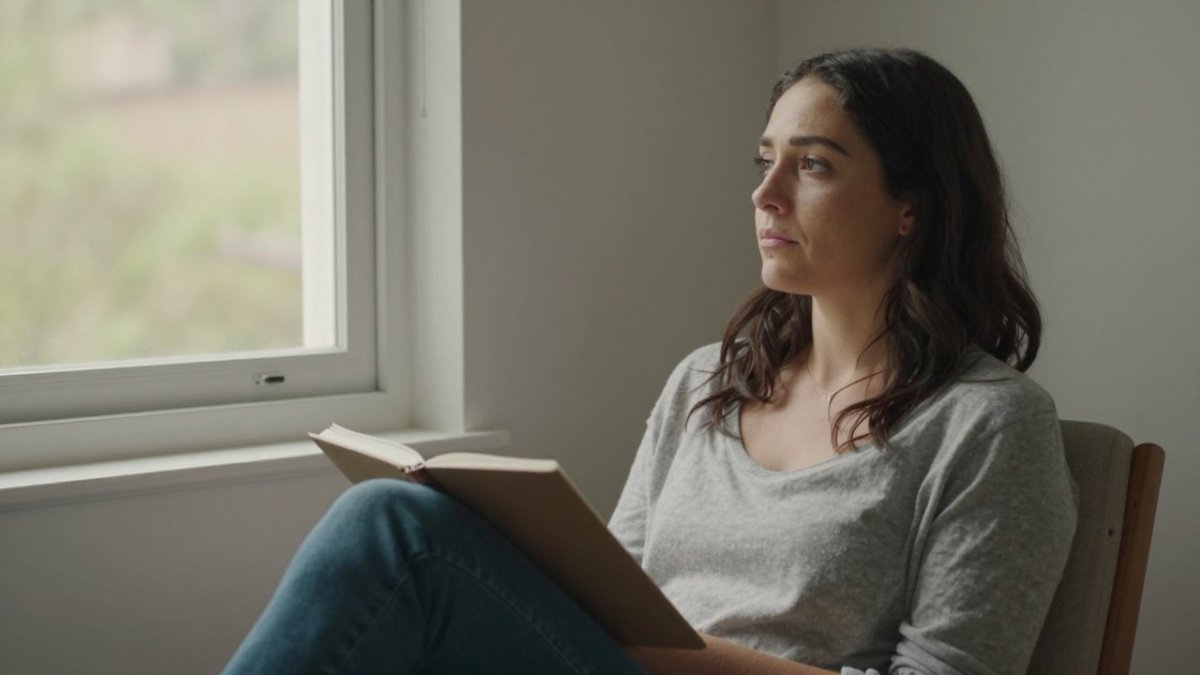
If progress stalls for several weeks, raise it with your therapist. Changing the approach or goals can often help. Keeping a simple log of symptoms and wins can make progress easier to see.
Booking Your Free Consultation to Plan Your Timeline
Every person’s anxiety timeline is different, and a clear plan can make the process feel more manageable. A free consultation is a good place to ask questions about how long treatment might take for you.
At Can Change Therapy, we are led by psychotherapist Doug Timbrell and focus on personalised support rather than standard treatment plans.
Phone now for a free consultation to start planning your timeline.
Frequently Asked Questions
How long does anxiety therapy usually take?
Many people start to notice some change within the first few sessions, but a full course of anxiety therapy often runs for around 12 to 20 sessions. Shorter or longer courses depend on the type and severity of anxiety, personal goals and how consistently skills are practised between sessions. Your psychotherapist can give a more specific estimate after an initial assessment, and progress is reviewed regularly so the plan can be adjusted if needed.
How long does CBT take to work for anxiety?
Cognitive behavioural therapy is usually a structured, time-limited approach. Early changes in thinking patterns and coping habits can appear within several weeks, while more lasting change tends to build over a few months of regular practice. The number of sessions varies by person, and your therapist will track symptoms so you can see whether the approach is helping.
How often should you go to therapy for anxiety?
Weekly sessions are the most common starting point, because regular contact helps build skills and momentum. As progress is made, sessions are often spaced out to fortnightly and then monthly, to support maintenance. The right frequency depends on your circumstances, budget and availability, so it is worth discussing this openly with your therapist.
What if anxiety therapy is not helping?
It is normal for progress to feel uneven, and anxiety can sometimes feel worse for a short period as old patterns are challenged. If you notice no improvement after a reasonable period, or symptoms are getting worse, raise this with your therapist. The approach, goals or frequency can often be adjusted. If you are concerned about your safety, contact your GP, a local crisis service or 000 in an emergency.
